

DYNAMIG: How migration decisions are made: diverse aspirations, trajectories, and policy effects
DYNAMIG aims to create a more thorough understanding of how people make decisions on whether and how to migrate.
One of our six research themes
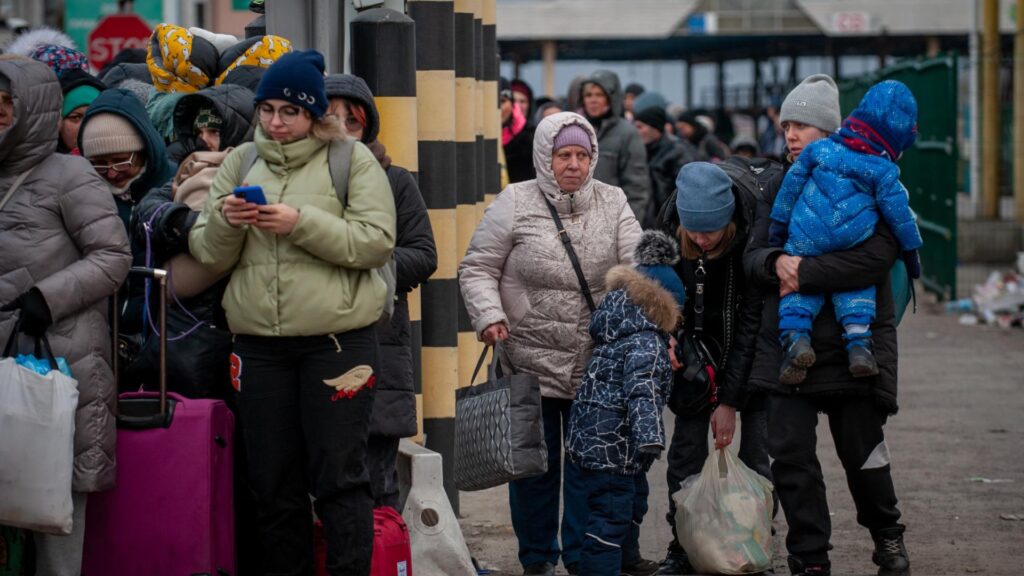
Migration governance involves the complex set of policies and frameworks regulating human movement across borders. At the Migration Policy Centre, we aim to understand how these policies shape migration flows, influence national and international cooperation, and impact both migrants and host societies. Our research examines governance dynamics, including irregular migration control, security challenges, and policy reforms.
Watch the video
Did you know?
Estimating Irregular Migration Flows: Innovative tools, such as analysing flight data, provide new insights into the volume of visa overstayers in Europe. However, accurately measuring irregular flows is a persistent challenge.
Criminal Networks and Policy Gaps: Criminal organisations exploit weaknesses in governance systems and engage with both state and non-state actors. This reality positions them as influential players in migration systems, requiring more adaptable policies.
Inclusive Approaches to Governance: Gender-sensitive migration policies can address overlapping vulnerabilities experienced by migrant populations. Identifying and recognizing these vulnerabilities is crucial to fostering more equitable governance.
Migration governance in most places is inherently fragmented, reflecting the diverse reasons people move—whether for work, study, refuge, or family. The challenge lies not only in harmonising these varied policies but also in reconciling the growing gap between migration’s underlying drivers and the political pressures driven by public opposition.”
Andrew Geddes
Director of the Migration Policy Centre
DYNAMIG aims to create a more thorough understanding of how people make decisions on whether and how to migrate.
2 September 2025
EU cooperation on asylum policy is notoriously difficult. Political sensitivities often result in protracted policy-making and legislation that is watered down by myriads of derogation possibilities and suffers from implementation gaps at the national...
Read more18 December 2024