


Read more
Blog, Blog Posts, Mobility Practices and Processes
Why young Africans are telling new stories about their migration and what this means
Young Africans are telling new stories about migration through art, storytelling, digital platforms, grassroots campaigns, and advocacy. These present migration as a driver of development, a source of cultural exchange, and an avenue for...
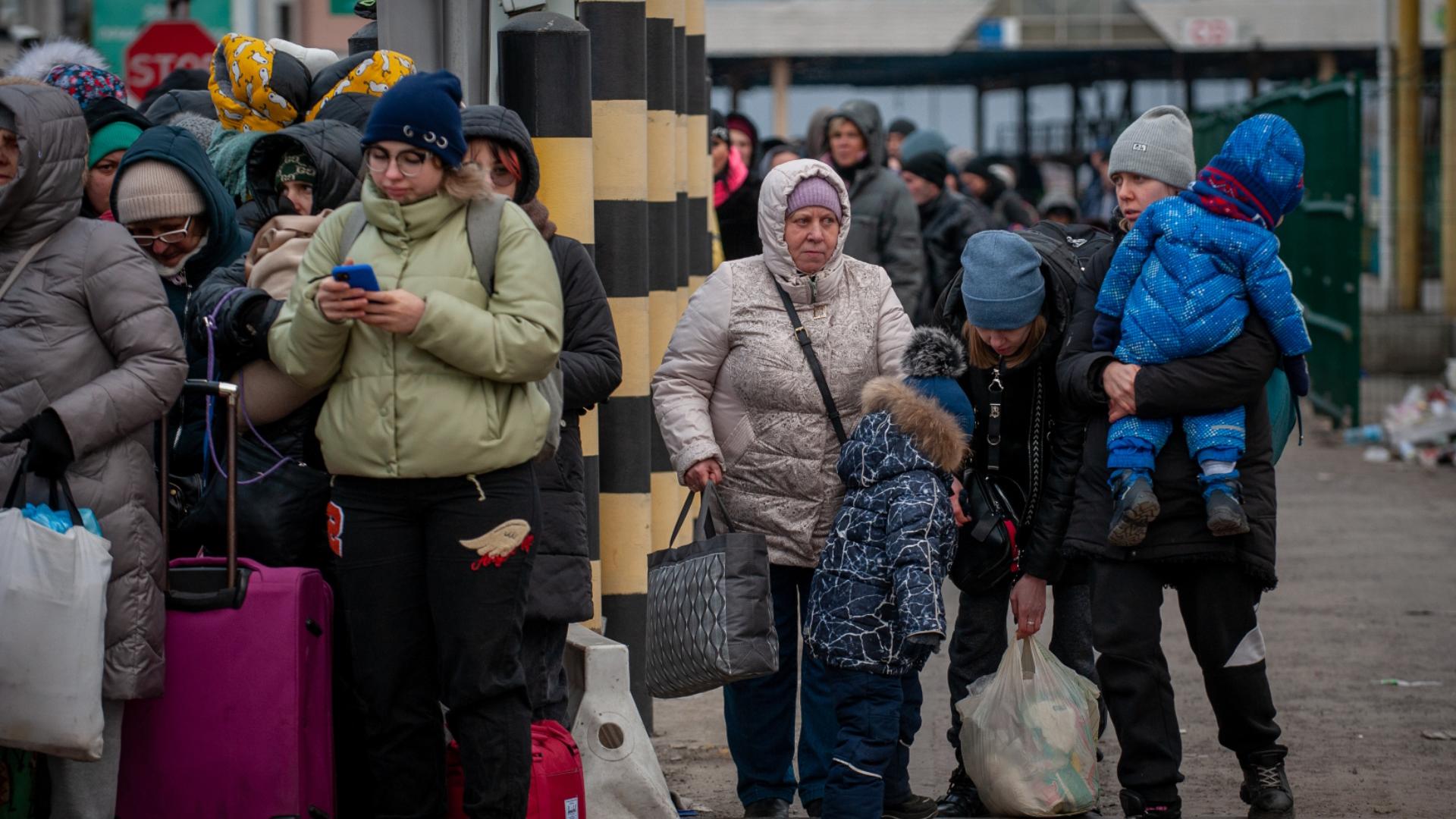
EU cooperation on asylum policy is notoriously difficult. Political sensitivities often result in protracted policy-making and legislation that is watered down by myriads of derogation possibilities and suffers from implementation gaps at the national level. That is why the swift activation of the EU’s Temporary Protection Directive (TPD) following the Russian invasion of Ukraine in February 2022 stood out. Within one week, EU Member States unanimously agreed to award temporary protection status to a large group of displaced persons from Ukraine.
This status granted them residence and a broad range of socio-economic rights. Providing an alternative to refugee status, temporary protection equally avoided overburdening already struggling national asylum systems. At first glance, it looks like a rare success story of EU solidarity in the asylum field as the TPD has clearly provided protection to a large number of displaced persons from Ukraine (over 4 million by April 2025). But was the swift and united activation of the TPD followed by common protection schemes at the national level?
This is not a given. There are reasons why temporary protection schemes implemented at the national level could demonstrate considerable divergences. First, like many other instruments of the Common European Asylum System, the TPD contains many optional clauses that allow Member States to derogate from or go beyond the minimum protection standards stipulated by the Directive. And as the crisis continues, political support for welcoming displaced people from Ukraine might weaken, potentially leading to lower standards and more divergence between countries in the longer run. Taken together, these considerations raise the question to what extent the TPD produces common protection schemes across Member States over time.
How much divergence is there in practice?
To answer this question, we developed the “Ukraine Temporary Protection Indicators” (UTPI). The UTPI measure the extent to which EU Member States’ legal implementation of the TPD at the national level provides protection to displaced persons from Ukraine across four dimensions: access to protection status; substantive socio-economic rights; free movement within the EU; and access to asylum and other statuses. Based on these four dimensions, we analysed the national legislation regulating temporary protection schemes in all EU Member States as well as Liechtenstein, Moldova, Norway, Switzerland, and the UK, countries which also introduced similar schemes for displaced persons from Ukraine, using 64 country experts (2 per country).
In our new working paper, we examine these new protection indicators to determine the degree of divergence of temporary protection schemes across European countries. To assess how divergence and protection levels evolved over time, we compared changes between July 2022 and February 2023 (we plan to update the indicators with more recent data in 2026). We also examined how closely countries adhered to the TPD’s minimum standards. Finally, we explored whether the degree of protection provided correlated between dimensions and with other factors, such as a country’s geographical location or the number of asylum seekers it received.
Results
Countries differed a lot in their implementation, but less so for socio-economic rights
Our comparative analysis shows divergence in the implementation of temporary protection schemes between European countries in the first year after the TPD was activated. However, the levels of divergence differ across the four measured dimensions.
In the first year, the greatest differences appeared in free movement rights, including around the extent to which Member States endorse the “free choice of destination” model (allowing displaced people to choose which Member State to settle in). We also observed significant variation in access to protection status and in the pathways to transition from temporary protection to asylum or other statuses. In contrast, there was much less divergence when it came to substantive socio-economic rights connected to temporary protection status, such as access to the labour market, education, social benefits, health care, and family reunification.
Countries showed less divergence and no Europe-wide decrease of protection standards over time
Divergences in all dimensions did decrease over time. In particular, the countries’ differences regarding transition to asylum or other statuses and free movement within the EU were reduced. In other words, one year after the activation of the TPD, European countries’ protection standards converged. While a few countries reduced certain protections, we found no evidence of a Europe-wide rollback in standards.
Implementation gaps existed for specific protections and no conclusive correlations were found
The extent to which countries fulfilled the TPD minimum standards equally varied between dimensions of protection. While minimum standards for the socio-economic substantive rights were mostly met, clear implementation gaps were visible regarding the availability of appeal procedures, access to unemployment benefits, special medical care for vulnerable groups, free movement rights and temporary protection beneficiaries’ access to the asylum system.
Finally, we did not find very strong correlations between the dimensions of protection and external factors, such as a country’s geographical location and asylum-related numbers.
Conclusion: A nuanced look at the first year of protection
The TPD has managed to provide quick extensive protection to a large number of displaced people from Ukraine following the Russian invasion in 2022. The TPD also prevented what could have been a significant overburdening and potential collapse of some Member States’ asylum systems. Without the TPD, overall protection levels would likely have been significantly lower.
The implementation of the TPD across Member States was, however, not uniform. Our analysis of the first data collected with the UTPI –for the period 2022-23– reveals that Member States implemented the TPD differently and implementation gaps existed for various minimum standards mandated by the Directive. Most of the divergence and implementation gaps occurred in newer elements in EU asylum policy: mainly concerning free movement rights and beneficiaries’ transition to other statuses. Member States have less experience with such rights and therefore might struggle more to implement them correctly. Considerably less divergence and implementation gaps exist regarding socio-economic substantive rights, which are the core of temporary protection. Finally, it’s worth noting that, during the first year of application, there was no widespread rollback of protection standards.
We plan to continue monitoring how protection for displaced Ukrainians evolves. In fact, signs suggest that divergence and protection levels have deteriorated in more recent years of the Directive’s application. A key moment will be March 2027, when the EU temporary protection scheme is now scheduled to end. Without a common EU solution to phase out temporary protection, Member States may go their separate ways, leading to further divergences and fragmentation.