Global Transnational Mobility Dataset
Estimates of cross-border travel derived from global tourism, air passenger and migration statistics (1995-2022), covering population movements between 230+ countries.



Mapping Global Mobility Worldwide
In today’s connected world, movement across borders is a key aspect of life. More people are travelling as students, tourists, commuters, and migrants. This increase has attracted the attention of researchers from various fields like migration studies, education, economics, and sociology. Yet, until now, most studies have been siloed, focusing only on specific places or themes.
To address this, we have created large global databases that track all types of human mobility, from long-term resettlement to short trips and daily commutes.
These datasets were produced as part of the MIGMOBs project.
datasets
4
decades of mobility data
3
open access
All
Estimates of cross-border travel derived from global tourism, air passenger and migration statistics (1995-2022), covering population movements between 230+ countries.
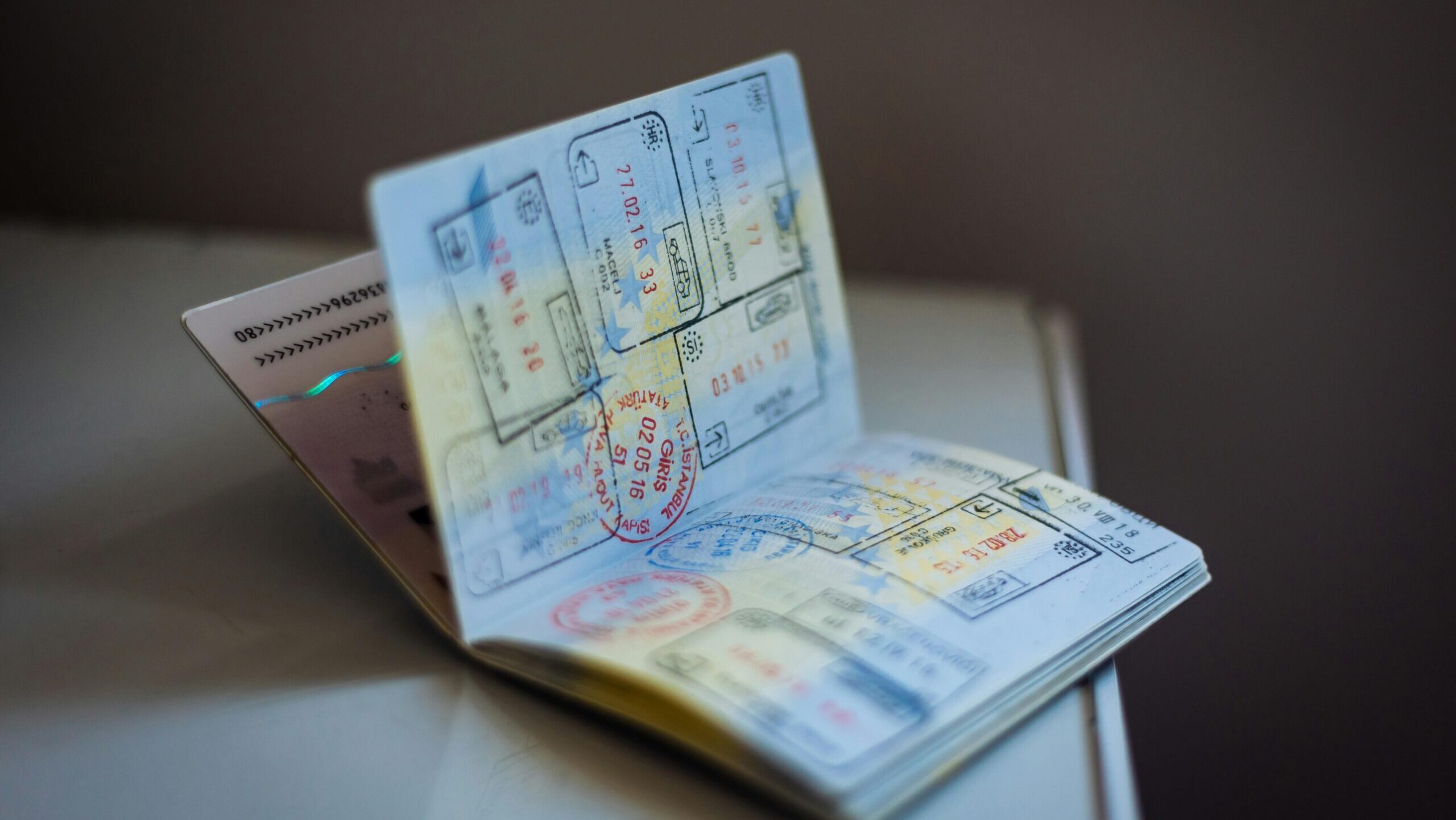
Visa costs for tourism, education, and business across various countries, providing insights into political barriers to mobility.

Insights into mobility and public health from impact of air travel on COVID-19 incidence and severity in 45 countries.

The permeability of 312 global land borders, focusing on transport infrastructure and border checkpoints.

"80% of global cross-border travel happens within continents, with Europe leading in both volume and growth of intraregional trips.”

Emanuel Deutschmann and Ettore Recchi
Assessing transnational human mobility on a global scale (2022)

The Global Mobilities Project develops datasets to map mobility and help users understand:
Use the arrows to scroll to see team members
These datasets were produced by the Global Mobilities Project and the MigMobs Project.

View profile

View profile

View profile

View profile

View profile