

Links
Next content
Read more
Institutional contexts of the conditions of irregular migrants in Europe: a theoretical analysis
Abstract This paper provides a theoretical framework for an institutional approach to understanding the conditions of irregular migrants in Europe. Our starting point is that, in determining policy responses to irregular migration, European liberal...
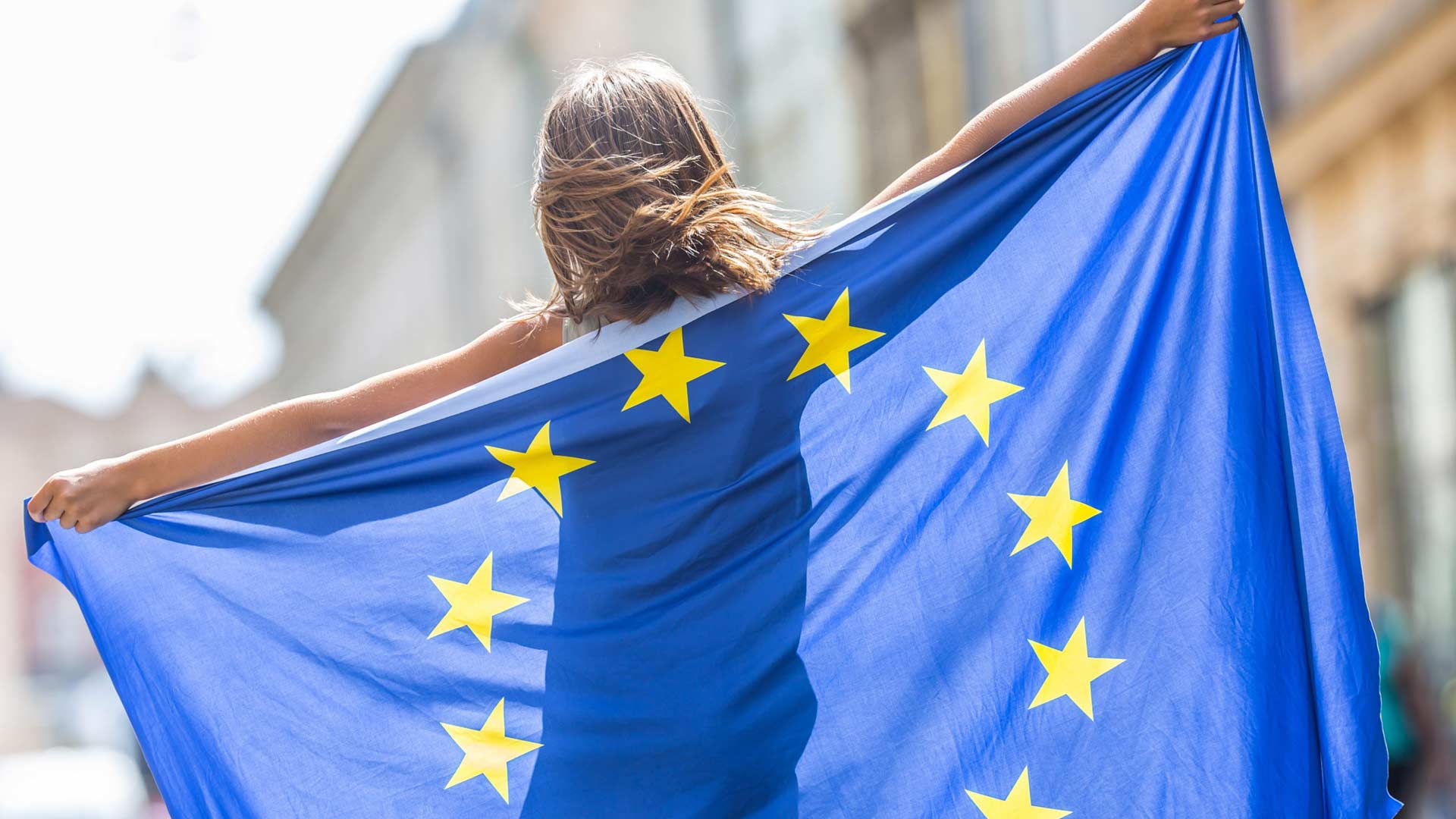
Putin expected to destabilize or even demolish the EU with the huge wave of migrants that followed the full-scale Russian invasion of Ukraine. Instead, the opposite happened: it greatly enhanced the sense of European identity. Following the Russian invasion there was an unprecedented increase of solidarity among Europeans and a remarkable doubling of the level of Europeanness among Ukrainian refugees.
What led to these soaring indicators and do they bear any threats?
Why Europeanness matters
The EU’s cultural policy is committed to fostering a shared European identity. It is one of three strategic priorities in the latest European Agenda for Culture. The concept of European identity as one that revolves around the values such as democracy, the rule of law, social justice, and respect for human rights.
Migration plays a considerable role in shaping this identity, providing a shared sense of belonging and attachment to EU values. Understanding these identity levels offers insights for both EU and national policies. For example, for decades prior to Brexit, Britons scored on top of the Eurobarometer as the EU citizens least willing to call themselves ‘European.’ In addition, understanding feelings of Europeanness may help in developing more sustainable policies for European integration in general as well as promoting more effective integration of immigrants into hosting European communities in particular.
Migration as a catalyst for solidarity among Europeans
While there is and will be ample discussion about the content of European identity, there are also a number of instruments for measuring it; the index of solidarity is one of them. It is argued that the relationship between identity and solidarity is powerful. Further, recent research found an unprecedented level of solidarity among Europeans after the influx of Ukrainian refugees in 2022. It has transformed and reshaped European identity as a reaction to the existential external threat of Russian dominance. This solidarity was apparent when some European governments began to explicitly categorize refugees as “ours” (Ukrainians) and “others” (Syrians).