

Links
Next content
Read more
International law or national identity? How the German and Polish governments framed whether to accept Syrian and Ukrainian refugees
Over the last decade, the EU has been a destination of two of the largest refugee movements worldwide. Following the eruption of the Syrian civil war and other conflicts in the Middle East and...
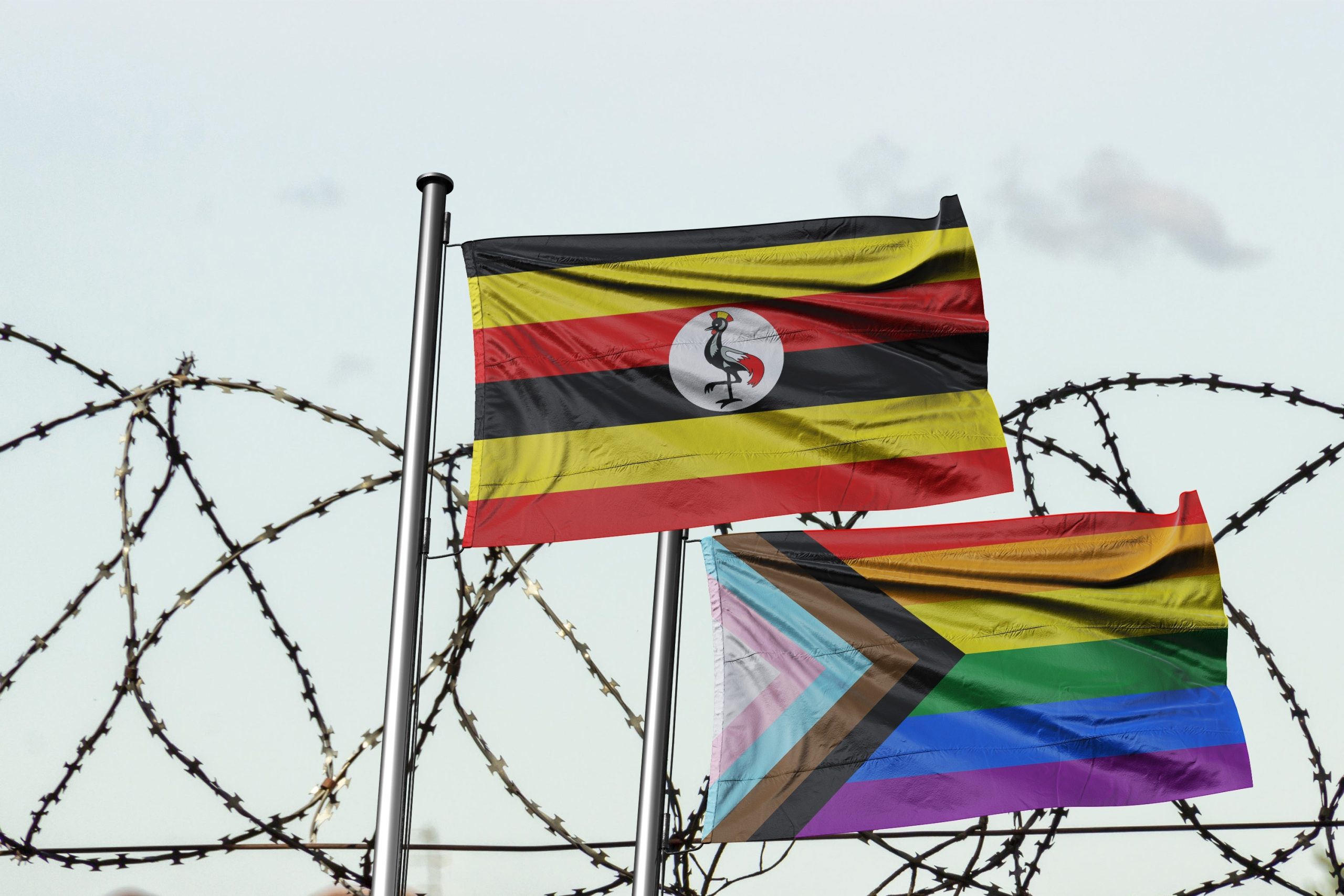
How did Uganda get here? What are the risks for the LGBTQ+ community? How can the international community provide support? This post will answer these questions on this emerging human rights issue.
The legal backdrop
The origins of the law date back to 2014 when the Ugandan Parliament passed the initial Anti-Homosexuality Act, which criminalized same-sex sexual activity and imposed harsh penalties, including life imprisonment. The law however was widely condemned by the international community, and was eventually overturned by the Ugandan Constitutional Court in 2014 on procedural grounds.
Even though it was overturned the 2014 Act has had a lasting impact on the LGBTQ+ community in Uganda. Many LGBTQ+ people have been forced to live in hiding, are subject to violence and discrimination while others have had to flee their country and become refugees. In recent years, there have been a number of reports of LGBTQ+ people being killed, attacked, and arrested.
On March 9, 2023, Asuman Basalirwa, a member of the Ugandan parliament, introduced a revised Anti-Homosexuality Bill, which is an even more egregious version of the 2014 Anti-Homosexuality Act; not only did it reinforce existing prison sentences for same-sex relationships, it also outlawed the ‘promotion of homosexuality.’ This was the bill that was adopted into law in May 2023.
There were two critical factors that contributed to the support for and adoption of these laws.
#1. Targeted campaigns
The first factor was a set of targeted campaigns. Among Uganda’s political leaders and in the media there was a concerted effort to claim that propaganda from Europeans and Americans was supposedly promoting homosexuality; there were frequent claims that funds from the west are pumped into schools to actively recruit young people into homosexuality. The language used by these groups are that young people are being ‘lured’ or ‘recruited’ into homosexuality. But as Professor Sylvia Tamale of Makerere University observed, the anti-homosexuality campaign conflated paedophilia with homosexuality. Busingye Kabumba, the Director of the Human Rights and Peace Centre (HURIPEC) at the Makerere School of Law cautioned that: ‘It is important that, in addressing a legitimate concern which is the protection of minors from sexual exploitation, Parliament does not endanger the lives of innocent Ugandans going about their ordinary lives’.